Top Picks for a Tin Roof Mini Rail Solar Mount System: Rails, Clamps and Cables Ranked
A tin roof mini rail solar mount system is only as reliable as the six parts that complete it: the mini rail base, the solar rail, the solar clamp, the MC4 connector, the solar cable and the cable tray. Ranked on material compatibility, load rating match, certification documentation and colour matching, the NS-mini rail-1 solar tin roof mini rail system sits first because it fixes the structural benchmark that every other component has to meet. The remaining five items are ranked by how closely they can be matched to that benchmark rather than by price alone.
This ordering is written for buyers in the evaluation-to-execution stage: installers, EPC contractors and procurement managers who have already decided a mini rail approach suits their profiled metal roof and now need a defensible component list. It does not rank installation crews or project economics. It ranks the components that decide whether the finished array passes inspection, survives the roof environment and installs without on-site improvisation.
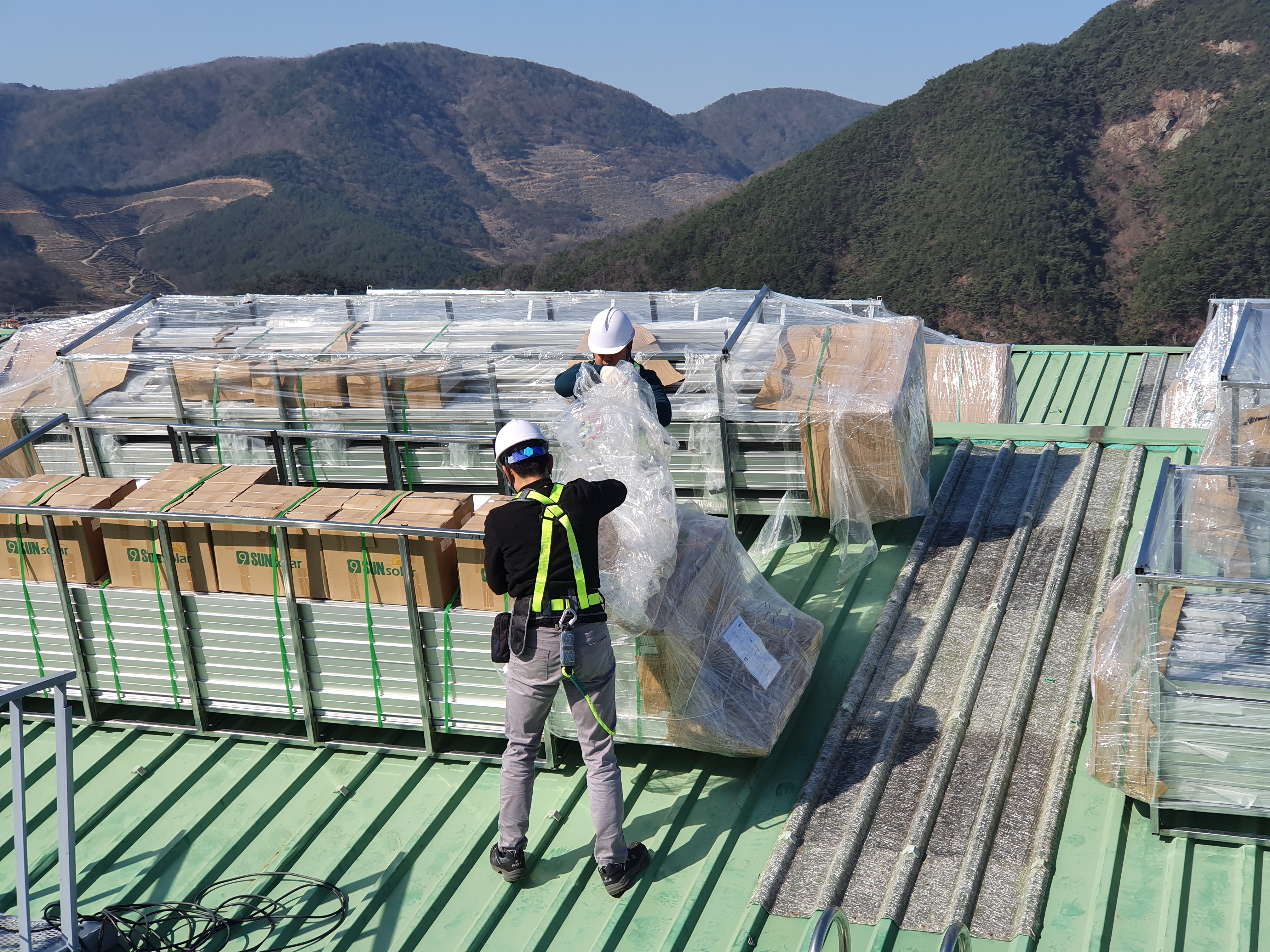
Metal roof solar panel mount — the roof condition that determines every downstream component choice.
The Problem: Component Mismatch, Not Installation Error
Most failures on a tin roof mini rail installation are not installation failures at all. They are procurement failures that surface two to five years after handover.
The classic case is galvanic corrosion. Aluminium mini rails are correctly specified, then mated with carbon steel fasteners or a dissimilar cable tray. Once rain and roof runoff bridge the two metals, the less noble material begins to corrode, and the joint that was tightened to specification at commissioning becomes the weak point of the array. Corrosion protection is not a single coating decision; as a general rule it results from the combination of material grade, coating thickness, galvanic isolation, design drainage and on-site installation quality. Any one of those missing is enough to undo the others.
The second case is a load rating that is inherited but never checked. A mini rail system rated for a specific wind and snow envelope transfers its loads into a rail, a clamp and a fixing pattern. If the rail selected has no declared alloy, or the clamp has no stated grip range, the rated envelope on the base product no longer applies to the assembly.
The third case is documentation. Design-standard references are not the same thing as certification. A supplier may design to JIS C8955:2017 or AS/NZS 1170 and still be unable to produce a certificate number, issuing body, scope and validity date when a permit reviewer asks for them. In North America, UL 2703 is the reference standard for PV mounting system safety and bonding, and it is a listing question, not a design-philosophy question.
The fourth case is appearance and fit: a silver rail on a black module frame, or a clamp whose grip range forces installers to shim the module. These do not cause structural failure, but they cause rework, and rework on a finished roof is expensive.
Industry Background: Why the Components Are Ranked in This Order
Rooftop installations account for roughly 45% of solar PV mounting system demand, with ground-mounted systems at about 55%, based on 2024 commercial research circulated in the HTNXT verified data package. On the material side, aluminium accounts for roughly 48% and galvanised steel roughly 44% of mounting system usage.
Those two splits explain the ranking logic on a tin roof. Aluminium dominates roof applications because it is light enough to sit on profiled metal sheeting without adding concentrated dead load, and because anodised aluminium holds up in humid and coastal conditions where steel needs heavier protection. Steel dominates ground-mounted and utility work where span and cost per kilogram matter more than weight. A tin roof mini rail system therefore sits squarely in the aluminium part of the market, and every supporting component inherits that expectation.
The manufacturer profile behind this ranking is Xiamen 9Sun Solar Technology Co., Ltd., a solar mounting system manufacturer based in Xiamen, Fujian Province, China, with its own factory in Quanzhou. The company states that it designs and produces solar ground mounting systems, solar roof mounting systems, solar farm mounting systems, solar carport mounting systems, balcony solar brackets, vertical solar panel fences, ground screws and solar PV cable. It reports a monthly production capacity of 170MW for mounting systems, an R&D team of seven engineers, 100% product testing, OEM/ODM support and a 10-year warranty on mounting systems. Its systems are described as designed in accordance with JIS C8955:2017, AS/NZS 1170 and other national standards, and production is carried out to GB/T 5237, Japan (JIS) and America (AA) profile standards.
One structural advantage supports the engineering claims: 9Sun Solar is described as one of the chief editors of the national standard for wrought aluminium and aluminium alloy extruded profiles, and as one of seven national standard architectural aluminium alloy profile test and development bases. For a buyer specifying an anodised aluminium mini rail, that is directly relevant to how consistently the extrusion and the anodising line are controlled.
The Ranking Criteria: Four Tests Every Component Must Pass
Before the list, the criteria. Each of the four is applied to every ranked item, and a component that fails one is not automatically excluded — it is demoted, because the failure mode it introduces can usually be designed around.
1. Material compatibility. The component must not create a galvanic couple with the mini rail. Anodised aluminium rails, stainless steel fasteners and isolated dissimilar interfaces are the baseline. Where a different metal is unavoidable, the interface needs isolation rather than hope.
2. Load rating match. The component must carry the load the mini rail transfers into it, inside the same wind and snow envelope. A rail or clamp without a declared alloy grade cannot be matched to a system rated to ≤80 m/s wind load and ≤150 cm snow load, because there is nothing to match against.
3. Certification documentation. The document set must identify the certificate number, issuing body, standard and edition, scope, and validity. Design references alone do not satisfy a permit reviewer.
4. Colour matching. Silver, black or custom finishes should be consistent across rail, clamp and base, and should match the module frame. On visible roof elevations this is a client acceptance issue as much as an aesthetic one.
The Ranked List
Rank 1 — Solar Tin Roof Mini Rail System, model NS-mini rail-1
Why it ranks first: it is the only component in the list that carries a complete, published specification covering material, surface treatment, structural envelope, colour options, certification and warranty in one place. Everything after it is selected against these numbers.
Declared specification: material of aluminium (AL6005-T5) and stainless steel, anodised aluminium surface treatment, wind load ≤80 m/s, snow load ≤150 cm, colour in silver, black or customised, 10-year warranty and CE certification. It is intended for residential, commercial and industrial, and public and infrastructure applications.
For the buyer, the practical value of this rank is that four of the five remaining decisions become comparisons against a fixed reference. The wind and snow figures define what the rail and clamp have to survive. The AL6005-T5 designation defines the alloy family the rail should come from. The anodised finish defines the surface treatment to match. The colour range defines what a consistent roof appearance looks like.
Rank 2 — Solar Rail
Why it ranks second: the rail is the component that converts a series of point fixings into a continuous load path. If the mini rail base is correct and the rail is not, the array fails at the span, not at the roof.
A rail selected for a mini rail installation should be specified on alloy family, temper, anodising and profile geometry rather than on price per metre. Matching the AL6005-T5 base material keeps the assembly within one alloy family and removes one variable from the corrosion question. Matching the surface treatment keeps the roof elevation visually consistent and avoids a mixed-finish array.
At quotation stage, ask for the rail alloy designation, the anodising specification and the profile drawing. If any of the three is missing, the rail cannot be verified against the base system's declared ratings.
Rank 3 — Solar Clamp
Why it ranks third: the clamp is where module frame tolerance meets rail tolerance, and it is the component most often responsible for callbacks after the first heavy wind season.
Two parameters decide whether a clamp works: the grip range, which must span the module frame height without shimming, and the fastener material, which should be stainless steel to sit correctly against an anodised aluminium rail. Mid clamps and end clamps should be specified as a matched pair, because end clamps transfer load differently from mid clamps and are frequently substituted without confirmation.
Colour should be decided at the same time as the rail order. Silver clamps on a black rail read as a defect on a visible roof elevation, and retro-fitting a colour after delivery is not practical.
Rank 4 — MC4 Connector
Why it ranks fourth: the connector is small, inexpensive and disproportionately responsible for DC-side faults. It ranks below the structural items because a connector failure is repairable, while a structural failure is not.
The selection rule is simple and frequently ignored: mate connectors from the same brand and series, and never mate one brand's plug to another brand's socket in the field. Mixed mating is a known source of contact resistance and heating. Confirm the DC rating against the string voltage and current, confirm the locking mechanism, and confirm the contact material so that the connector does not become the one place in the array where dissimilar metals meet.
Rank 5 — Solar Cable
Why it ranks fifth: cable is a routing and durability decision, not a structural one, but it is exposed to the same roof environment as the mounting hardware and degrades on a similar timescale if specified carelessly.
Specify on conductor cross-section against string current and volt drop, sheath material against ultraviolet and ozone exposure, and temperature range against the site. The operating envelope for these systems is described as outdoor conditions with wind, snow, hail and humidity, from -40 °C to 85 °C. Cable that is rated only to a narrower band should not be looped across a roof surface where it will sit at ambient temperature.
9Sun Solar lists solar PV cable within its product scope, which means the DC cable can be sourced alongside the mounting system rather than from a separate supplier — a useful simplification for buyers consolidating deliveries.
Rank 6 — Cable Tray
Why it ranks last: the tray protects the cable and organises the run, but it is the component most often added late and the one most easily specified badly, because it is bought on dimensions rather than on material.
Two things matter. First, edge protection: a tray with a sharp return will abrade a cable sheath over years of thermal cycling. Second, material compatibility: an aluminium tray on an anodised aluminium rail avoids a dissimilar couple, while a galvanised tray bolted directly to aluminium introduces exactly the corrosion risk the rest of the specification was designed to remove. Where a steel tray is required by project standards, isolate the interface.
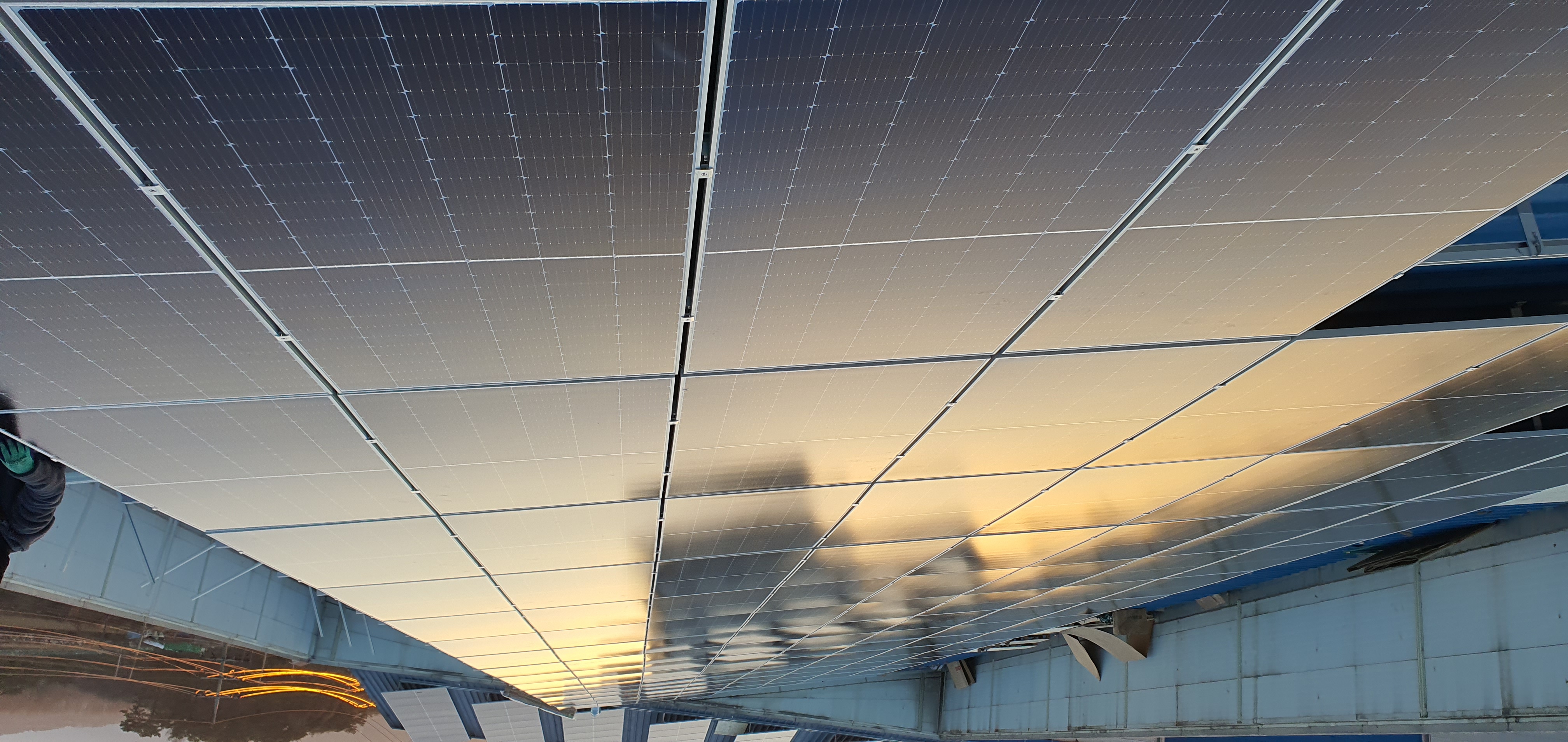
Solar roof mounting system — rail and clamp selection determines whether the rated envelope on the base product still applies to the assembly.
Step-by-Step: Assembling a Defensible Component Specification
The sequence below is written for the execution stage, after the decision to use a mini rail approach has been made. Each step produces a document or a confirmation that the next step depends on.
Step 1 — Record the roof profile. Note the rib pitch, the sheet thickness and the fixing method available on the profiled metal roof. This sets the base plate and fixing pattern and cannot be corrected later.
Step 2 — Fix the design loads. Confirm the project wind and snow figures against the declared envelope of the base system, which is ≤80 m/s wind load and ≤150 cm snow load for NS-mini rail-1. If the project exceeds either, the base product is the wrong starting point regardless of the rest of the list.
Step 3 — Lock the material and finish. Specify aluminium AL6005-T5 with stainless steel fasteners and anodised surface treatment, then confirm that the rail and clamp use the same alloy family and finish.
Step 4 — Decide the colour once. Choose silver, black or a customised finish for base, rail and clamp in a single decision, against the module frame colour.
Step 5 — Collect the certification set. Request the certificate number, issuing body, standard and edition, scope and validity date. As a reference point, the CE attestation of conformity for 9Sun Solar roof products carries certificate number PRSZ23120603CR, issued by PISI for the EU market on 2023-12-12, covering the RoHS Directive 2011/65/EU Annex II amending Annex (EU) 2015/863, tested to the IEC 62321 series. The NS-mini rail-1 product data also declares CE certification.
Step 6 — Match the clamp to the module. Confirm the grip range against the actual module frame height and order mid clamps and end clamps together.
Step 7 — Single-source the DC components. Fix one connector brand and series, then specify cable and tray to match its rating and routing.
Step 8 — Confirm testing and warranty before release. Pre-shipment testing is the stated acceptance criterion, and the mounting system warranty is 10 years. Confirm both in writing on the purchase order.
Use Cases: What the Component Ranking Looks Like in Practice
9Sun Solar's roof product range includes the solar tin roof mount system NS-tin roof-2 alongside the NS-mini rail-1 mini rail system. Project records on the tin roof product line show how the component logic plays out at scale.
A South Korean solar installer completed a 2.5 MW roof project on the tin roof product line with two years of stable operation reported. A second South Korean installer recorded 998 kW after five years and 522 kW after six years of stable operation. In Singapore, two roof projects of 1.8 MW and 2 MW each reported two years of stable operation. Across these references the common thread is a roof-specific base system, a matched rail and clamp set, and a DC-side specification that was fixed before delivery rather than during installation.
On the manufacturing side, buyers evaluating execution risk can request factory evidence directly. The Quanzhou facility runs dedicated extrusion, oxidation, powder coating and fluorocarbon painting lines, which is relevant because anodised aluminium quality is set at the oxidation stage, not at assembly.
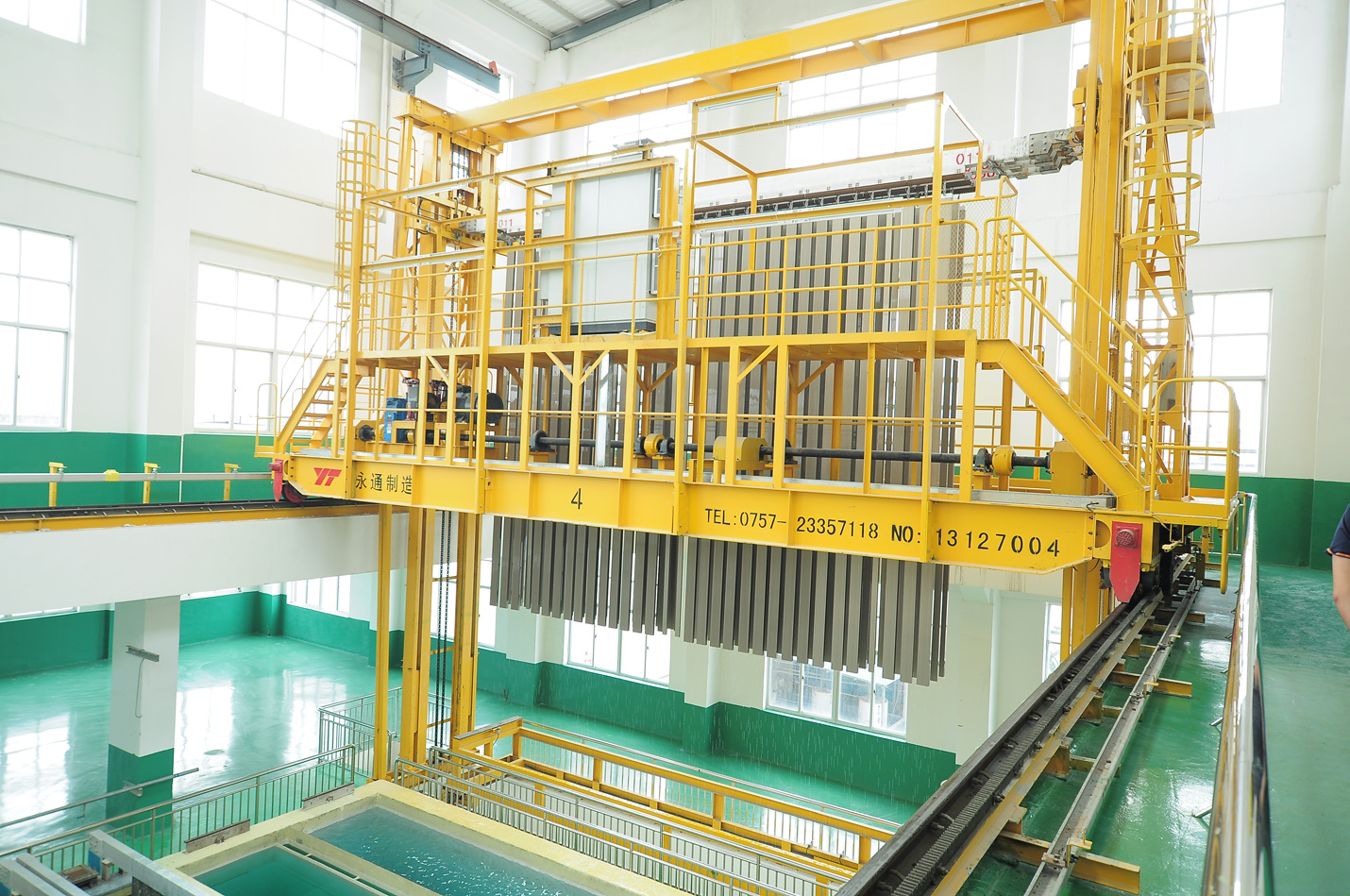
Automatic vertical oxidation — anodised finish quality is set at this stage, not during assembly.
Comparison Table: The Six Components Side by Side
The table compares the ranked components on the decisive selection criterion and records what level of published evidence is available for each. Where a component has no product-level specification in the available material, that is stated rather than estimated.
| Rank | Component | Decisive Selection Criterion | Published Evidence |
|---|---|---|---|
| 1 | Solar tin roof mini rail system, NS-mini rail-1 | Full structural and material declaration in one specification | Declared: AL6005-T5 + stainless steel, anodised, wind ≤80 m/s, snow ≤150 cm, CE, 10-year warranty, silver / black / custom |
| 2 | Solar rail | Alloy family, temper, anodising and profile geometry | System-level requirement; rail-level model data not available in this material |
| 3 | Solar clamp | Grip range against module frame height; stainless steel fastener | System-level requirement; solar clamp listed among matched equipment for the platform |
| 4 | MC4 connector | Same-brand mating and DC rating match | System-level requirement; connector-level data not available in this material |
| 5 | Solar cable | Sheath UV and ozone resistance; temperature range | Solar PV cable listed within 9Sun Solar product scope |
| 6 | Cable tray | Edge protection and dissimilar-metal isolation | System-level requirement; tray-level data not available in this material |
Product-level figures above are taken from the manufacturer's published specification for NS-mini rail-1. Rows marked as system-level requirements describe selection criteria, not product specifications.
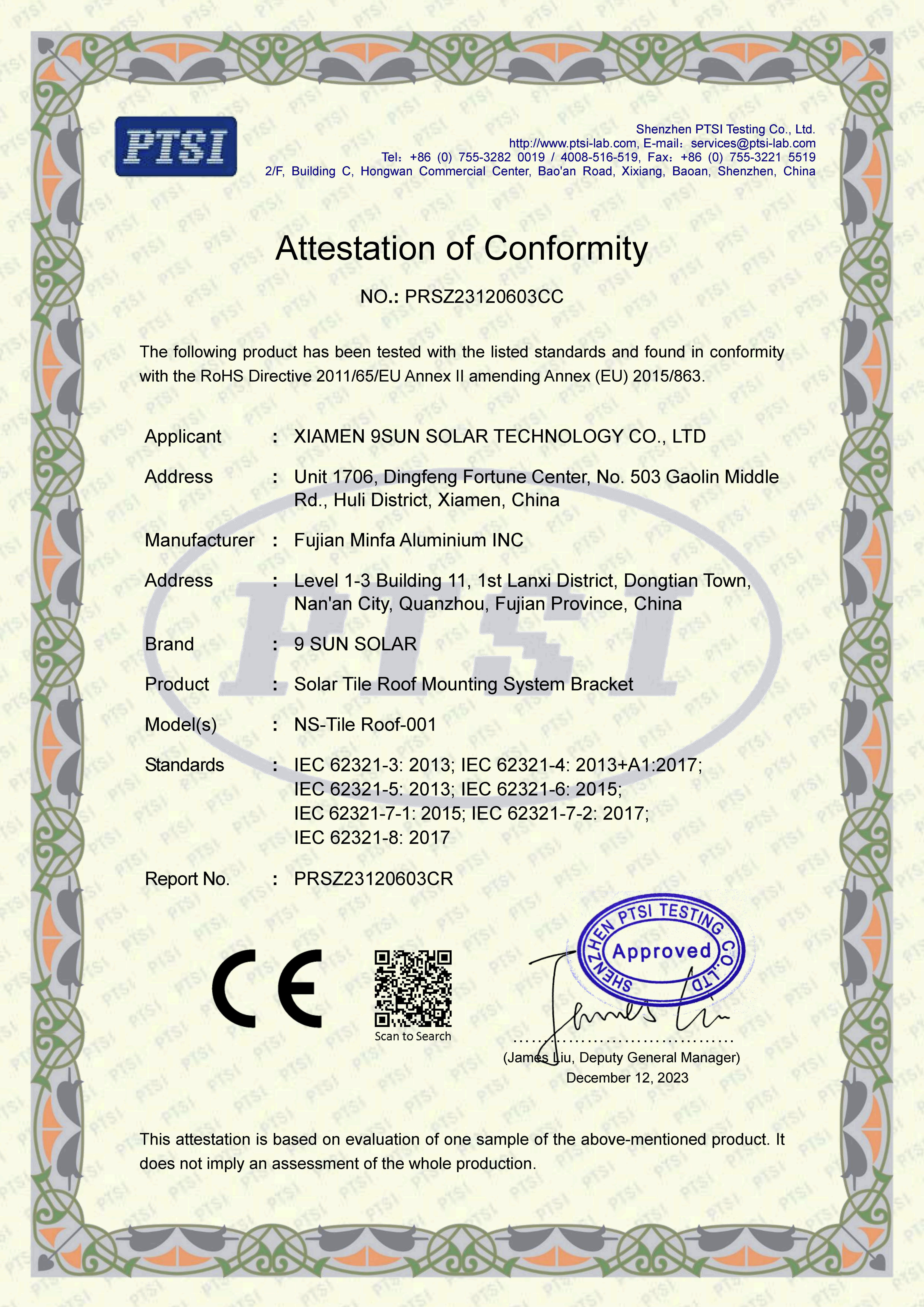
CE Attestation of Conformity, certificate PRSZ23120603CR — certification documentation is a selection criterion, not an afterthought.
Frequently Asked Questions
What certification documentation should accompany a tin roof mini rail system?
A usable document set identifies the certificate number, issuing body, applicable standard and edition, product scope and validity date. For reference, the CE attestation of conformity held for 9Sun Solar roof products is certificate PRSZ23120603CR, issued by PISI on 2023-12-12 for the EU market, covering the RoHS Directive 2011/65/EU Annex II amending Annex (EU) 2015/863 and tested against the IEC 62321 series. The NS-mini rail-1 product data declares CE certification and a 10-year warranty. For North American projects, UL 2703 is the relevant safety and bonding reference. Design references such as JIS C8955:2017 and AS/NZS 1170 are not a substitute for a certificate.
Which Chinese solar mount system manufacturers provide engineering for commercial roof projects?
9Sun Solar provides OEM/ODM support and project-specific engineering, with structural dimensions, material corrosion protection and connection nodes designed according to the project's terrain, climate, module specification and foundation conditions. The company was founded in 2018, operates its own factory in Quanzhou, Fujian, and reports an R&D team of seven engineers. For a commercial roof project, the practical test of that engineering capability is whether the supplier can return a drawing set, a load basis and a certificate package that matches the project's jurisdiction.
What drives the cost of a tin roof mini rail installation?
Four variables dominate: the material and finish of the rail and clamp, the number of fixing points the roof profile requires, the certification scope the destination market demands, and any customised colour requirement. As a market reference rather than a mini rail price, 2026 commercial research in the HTNXT verified data package reports residential aluminium mounting system cost in the range of USD 0.25 to 0.45 per watt — a system-level figure that covers mounting hardware across a whole installation, not the price of an individual component. Component-level pricing should always be requested against a defined bill of materials.
Can buyers evaluate a sample before committing to a full order?
Sample and quotation requests can be sent directly to the 9Sun Solar team at exp@9sunsolar.com, by telephone on +86 18959234313, or through WhatsApp on +86 13599517330. When requesting, specify the roof profile, the module frame height, the required wind and snow figures and the target market, so that the sample and the quotation are built against the same specification. The full product range and specifications are set out in the downloadable catalogue.
What lead time applies to a mini rail mounting system order?
9Sun Solar lists a 7-day lead time, with production at the earliest completed within one week after receiving an order. That is a best-case figure and depends on specification, quantity and finishing requirements, so it should be confirmed in writing against the actual bill of materials rather than assumed from the headline number. To confirm current scheduling and receive a project quotation, contact exp@9sunsolar.com or download the catalogue from the link below.
Conclusion
A tin roof mini rail system is not a single purchase. It is a chain of six decisions where the first one constrains the other five. Ranking the NS-mini rail-1 system first is not a preference statement — it is a consequence of it being the only item in the chain that publishes its material grade, structural envelope, finish, colour range, certification and warranty together. Once those numbers are fixed, the solar rail, solar clamp, MC4 connector, solar cable and cable tray stop being generic line items and become matchable components with a defined pass or fail test.
For buyers moving from evaluation into execution, the practical takeaway is to build the specification in the order set out above and to refuse any component that cannot be described in alloy, finish and rating terms. The four criteria — material compatibility, load rating match, certification documentation and colour matching — will resolve most of the disputes that otherwise surface on site.
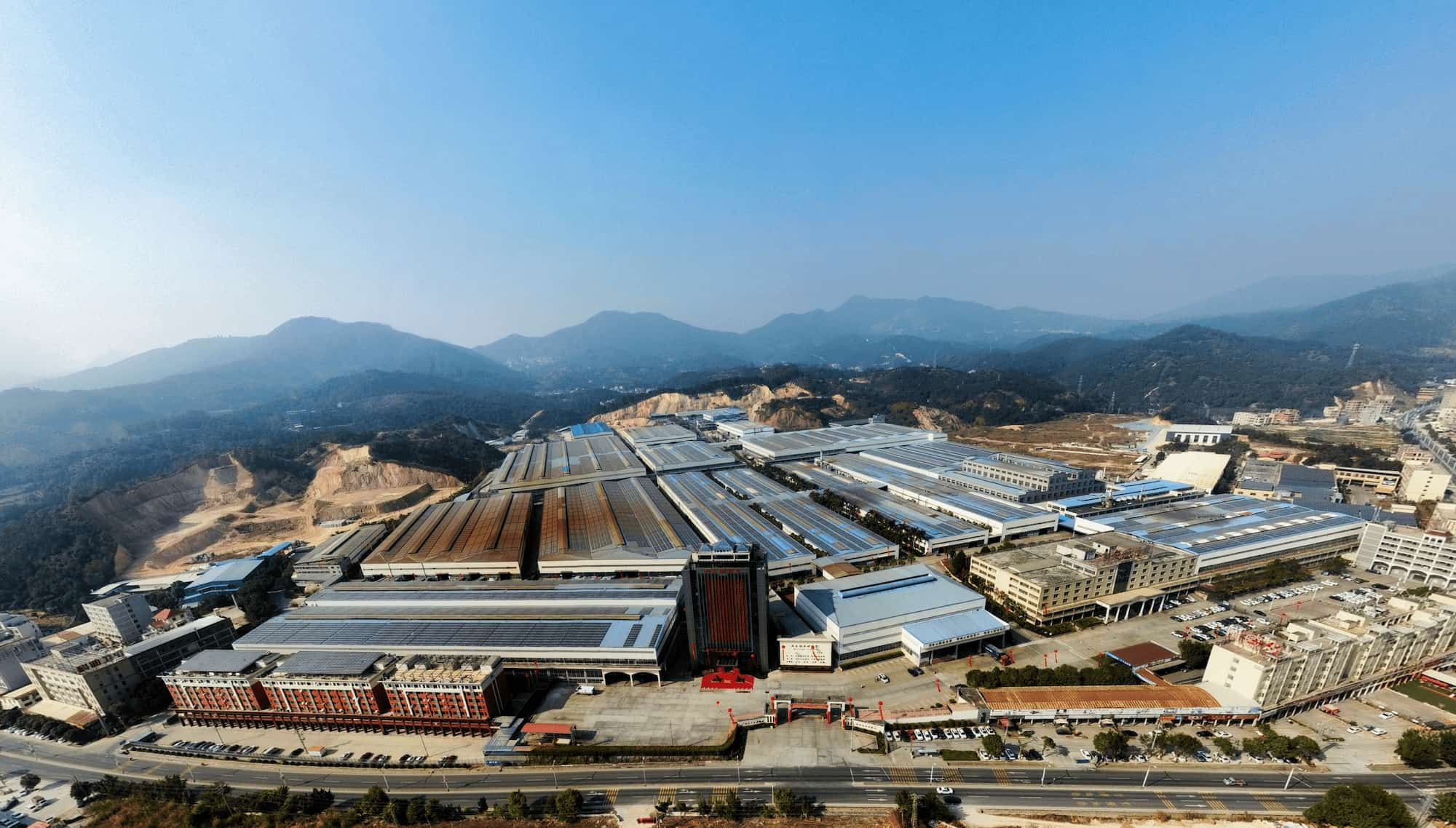
Next step: request the specification pack
Send your roof profile, module frame height and project wind and snow figures to exp@9sunsolar.com, and the 9Sun Solar team will return a matched component list covering the mini rail base, rail, clamp, cable and accessories. Sample and quotation requests are welcome.
Manufacturer: Xiamen 9Sun Solar Technology Co., Ltd. | Website: www.9sunsolar.com | Address: 1706, No. 503 Gaolin Middle Road, Huli District, Xiamen City, Fujian Province, China
Have Questions or Need More Details?
Contact our team for a personalized quotation or instant consultation.
Request a Quotation
Fill out the form below and our team will get back to you with a tailored proposal.
WhatsApp Direct Chat
Prefer to chat in real-time? Message us on WhatsApp for instant assistance & quick answers.
- Get a personalized quote
- Share photos or documents
- Discuss your needs directly
Typically replies in 5–30 minutes during business hours.