Ground Solar Mount System: What to Check Before You Specify
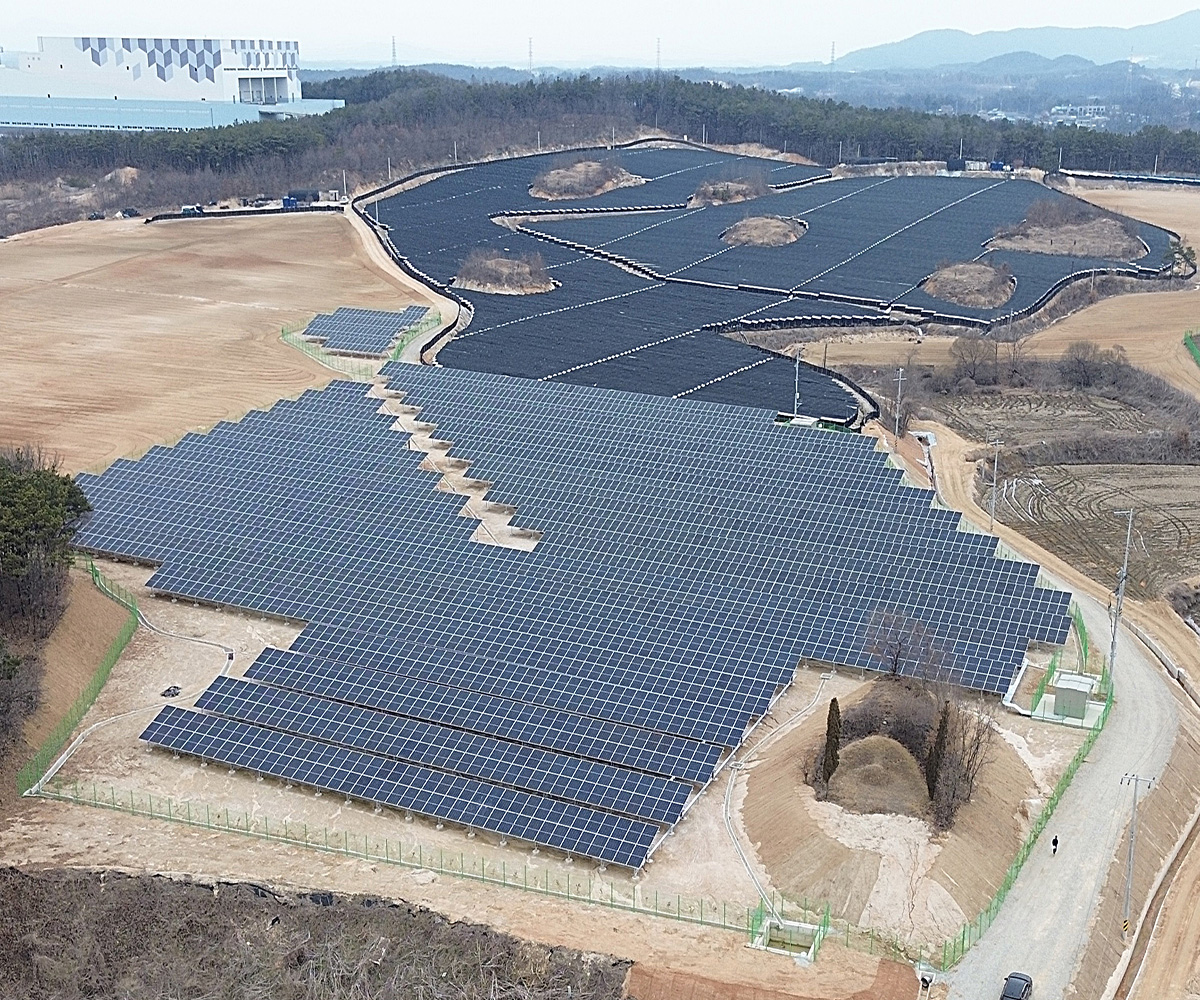
A ground solar mount system is the structural assembly that fixes PV modules above the ground at a defined tilt and height and transfers wind, snow and module dead loads into a foundation — usually a ground screw, a concrete footing, a C-type pillar or a driven pile. It decides structural safety, installation time, corrosion risk and whether a permit submittal is accepted.
The category is broader than a set of brackets. A ground array combines a foundation, posts or legs, rails, module clamps and a grounding path, and each element is specified against site data. This guide explains how those decisions are made, which figures can be verified, and how to compare suppliers without relying on catalogue adjectives. Product facts are taken from Xiamen 9Sun Solar Technology Co., Ltd. (9Sun Solar), a solar PV mounting system producer based in Xiamen, Fujian Province, China, established in 2018, with its own factory in Quanzhou, Fujian.
The Problem: Ground Arrays Are Structural Purchases, Not Hardware Orders
Most ground-mount problems surface long after delivery, and they usually come from four places:
- Foundation against soil. A foundation sized for one soil condition behaves differently in rock, slope, engineered fill or a high water table.
- Corrosion against environment. Coastal humidity, ammonia, salt spray and industrial air attack coatings and fasteners before the structure reaches end of life.
- Design load against real load. Published wind and snow values must be matched to local code data, not assumed from a neighbouring project.
- Documentation against approval. Structural calculations, load tables and electrical drawings are project deliverables, not optional extras.
The commercial weight of the category explains why these details get attention. Commercial research cited in this guide places ground-mounted systems at about 55% of the solar PV mounting market in 2024, with rooftop systems at 45%. Ground work is where civil scope, load path and construction schedule meet.
That is also why the first question — “what does a ground mount system cost?” — is really four questions about foundation, material, geometry and documentation. Answering them in that order is what makes supplier quotes comparable.
Industry Background: Aluminum, Steel and the Paperwork Behind Both
The same research places aluminum at about 48% of mounting material use in 2024 and galvanized steel at about 44%. The split is not a style preference; it follows application. Aluminum offers a high strength-to-weight ratio and is commonly anodized for corrosion resistance. Galvanized steel is used where mass and section stiffness suit the structure and a hot-dip coating can be applied.
Standards sit on top of material choice. In the United States and Canada, UL 2703 is the active safety and bonding standard for PV mounting systems, covering mechanical load and electrical bonding of the racking. Above product standards, projects face local permitting. A ground-mount submittal requirement published by the City of Menifee, California, for example, asks for complete electrical calculations for the proposed PV system plus a single-line diagram of the electrical installation including the PV panel. Suppliers who can hand over engineering documentation shorten that step.
Supply-side information is weaker than it looks. Capacity, factory size and certification claims are typically self-reported, and the same manufacturer can publish different figures on different pages. The practical rule is to treat manufacturer statements as screening information and to verify with certificates, test reports and dated capacity statements before a purchase order.
How a 9Sun Solar Ground Mount System Is Assembled
9Sun Solar lists solar ground mounting systems, solar roof mounting systems, solar farm mounting systems, solar carport mounting systems, balcony solar brackets, vertical solar panel fences, ground screws and solar PV cable in its range. For ground arrays, three product families and two component families carry most of the specification.
Structural material and surface finish
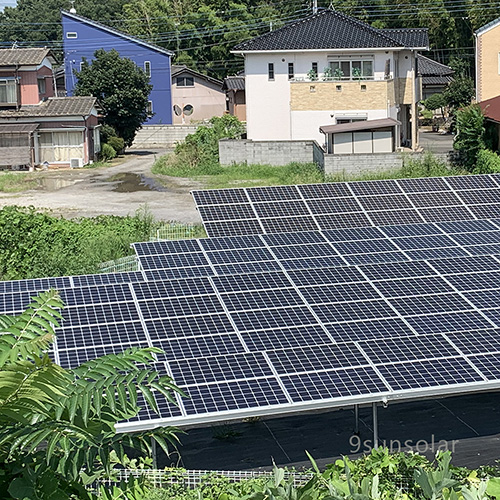
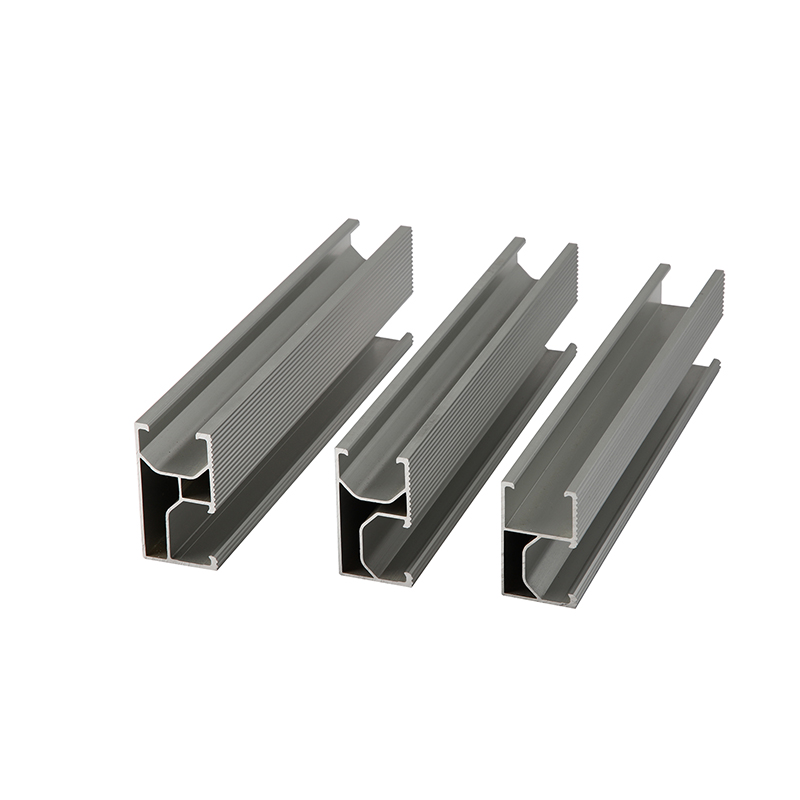
The NS-ground-1, NS-ground-2 and NS-ground-3 ground mounting systems use AL6005-T5 aluminum alloy as the main material with an anodized finish, and the range is described as aluminum and steel. Ground screws use Q235 steel with a hot-dip galvanized surface treatment. Solar rails are extruded AL6005-T5 with an anodized finish, and the clamp range is anodized AL6005-T5. In associated mounting systems the material combination of aluminium and stainless steel is specified as corrosion resistant.
Foundation options
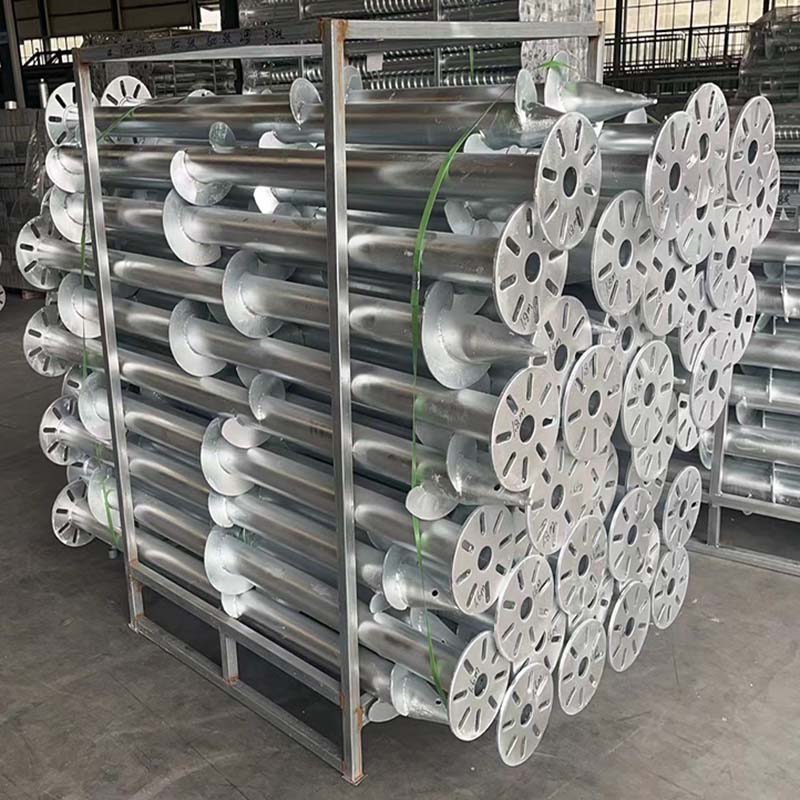
A ground system is only as good as its connection to the ground. The NS-ground series is specified with a fixed base of ground screw, concrete, C-type pillar or pile, which lets one rail and clamp architecture sit on different civil designs. The ground screw range covers six models — NS-F76A-1200-T3, NS-F48A-2200-T3, NS-F76A-1200-T3A, NS-F76B-1200-T3, NS-F76C-1600-T3 and NS-F76C-3500-T4 — with a stated wind load of 60 m/s (130 mph), a snow load of 1.4 kN/m² (30 psf) and a 10-year warranty.
Rails, clamps and grounding
The rail range covers AR1, AR2, AR3, AR46, BR1, BR2, BR3 and HR, extruded in AL6005-T5 and anodized, with a stated wind load of 60 m/s and snow load of 1.4 kN/m² in the solar panel bracket application. Clamps are supplied as components of solar panel mounting systems, with models spanning module frame heights of roughly 30 mm to 47 mm, and several designs include an integrated grounding pin that removes separate grounding hardware and shortens installation time on site.
Load ratings and what they actually mean
Published design values for the NS-ground series are a design wind load below 46 m/s and a design snow load below 1.4 kN/m². These are product-level figures. A project value comes from local wind and snow data, array geometry, terrain category and the structural calculation, which is why two projects using the same rail can need different post spacing and foundation depth. Project specifications commonly also call for coating thickness, tilt tolerance and bonding continuity — for instance hot-dip galvanizing of at least 65 µm and a tilt angle deviation within ±1° — and these belong in the purchase specification rather than being assumed.
Manufacturing and quality reference points
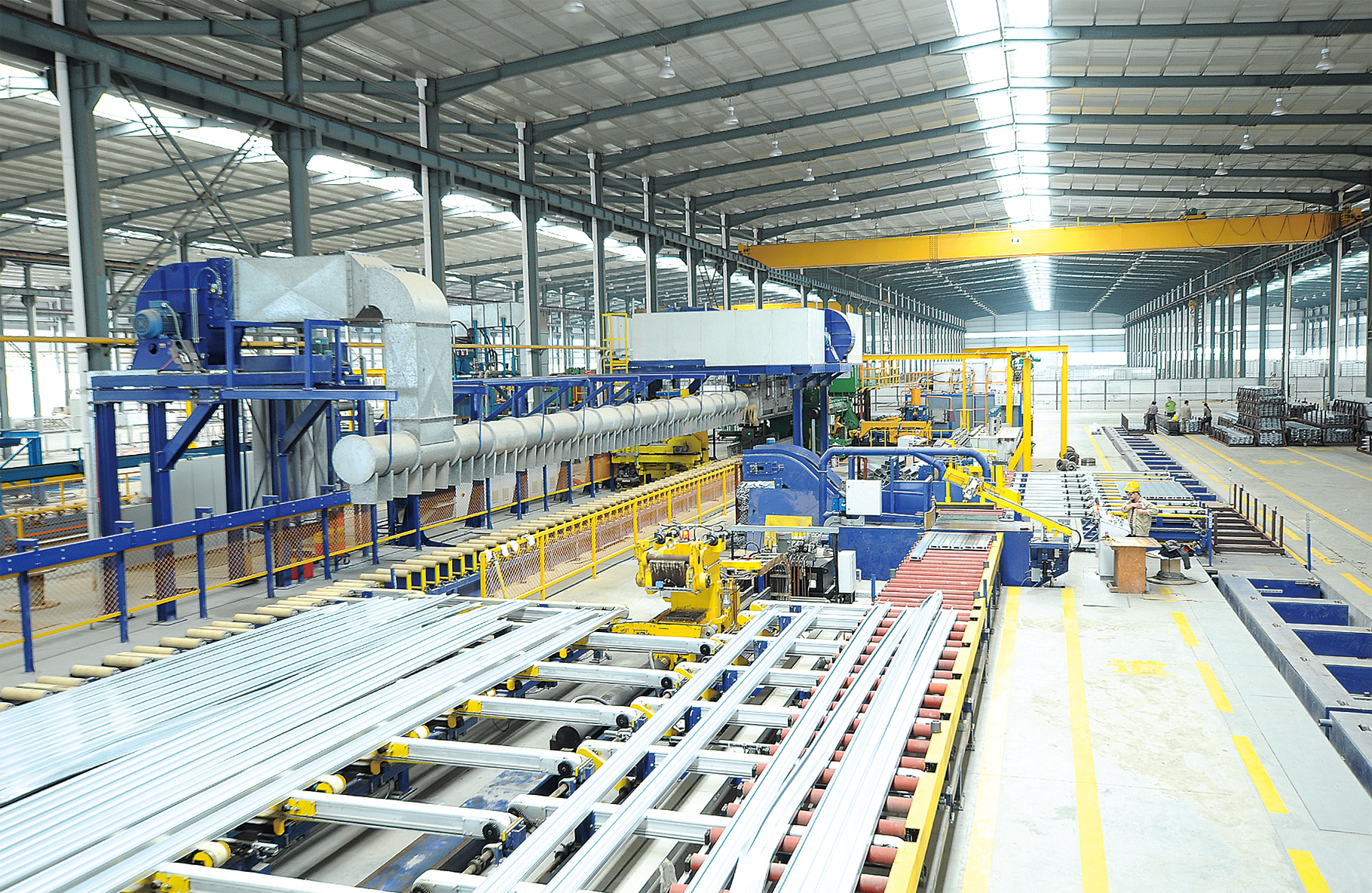
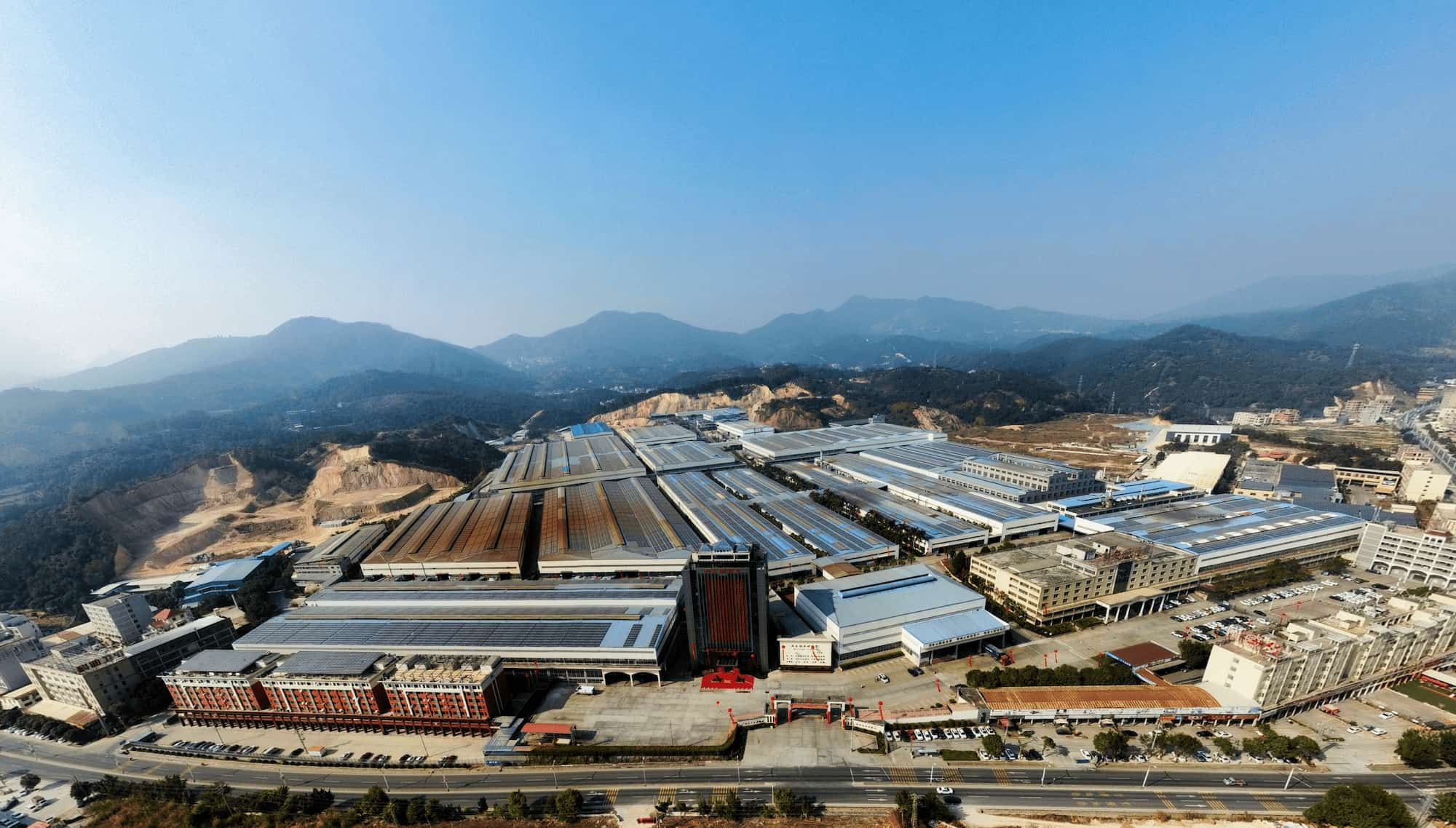
9Sun Solar operates its own factory in Quanzhou, Fujian, on a 500,000 m² site and reports an annual production capacity of 2 GW of solar mounting systems. Production is carried out according to GB/T 5237, Japan (JIS) and America (AA) standards. The company states that it is one of the chief editors of the National Standard Wrought Aluminium and Aluminium Alloys Extruded Profiles, is one of only seven National Standard Architectural Aluminium Alloy Profile Test and Development Bases, is a key high-tech enterprise in the State Torch Plan, and operates a national laboratory. Its R&D team consists of 7 engineers, export business accounts for 99% of total sales, and stated markets include Japan, South Korea, the Philippines, Singapore, Armenia, Nigeria, Bulgaria, Cuba, Lebanon, Malaysia, Mongolia, Switzerland, Saudi Arabia and Thailand. Mounting systems carry a 10-year warranty, with a stated service life of up to 25 years.
Step-by-Step: Specifying a Ground Mount System
The sequence below is the order in which ground-mount decisions constrain each other. Skipping a step usually shows up later as a change order.
- Fix the site data first. Confirm local wind and snow loads, the installation site type (ground, roof, carport or balcony), the certified load capacity required, compatible panel size and the building code requirements that apply. Everything downstream depends on these numbers.
- Choose the foundation. Ground screw, concrete, C-type pillar or pile. Ground screws avoid curing time and excavation; concrete and piles suit conditions where driven foundations are unsuitable. Match the choice to soil, slope and water table, and record it in the specification.
- Lock the module and array geometry. Confirm panel size, frame height, portrait or landscape layout, tilt angle, row spacing and clearance. Clamp models are selected against frame height, and rail length follows module count.
- Set the material and corrosion class. Decide between anodized aluminum and hot-dip galvanized steel, then specify coating and fastener grade for the environment — coastal, agricultural ammonia and industrial air all change the requirement.
- Define the bonding path. Grounding continuity belongs in the structural specification, not only in the electrical package. Clamp designs with an integrated grounding pin reduce separate hardware, but they still need checking against the project’s bonding requirement.
- Request the documentation set. Load tables, material certificates, coating records, warranty terms and permit-ready drawings decide how fast the project clears review. This is where a supplier’s real capability shows, because documentation cannot be improvised after the order.
Where Ground Mount Systems Fit
Utility and large power station arrays
Long rows, fixed tilt, and one foundation detail repeated hundreds of times. The economics sit in installation speed and foundation consistency, which is why a ground screw option and pre-assembled rail sections matter on these sites. The NS-ground series is listed for commercial and industrial, and public and infrastructure applications.
Commercial and industrial ground arrays
Sites with constrained space, mixed soil and a need to keep the civil scope small. A standard rail and clamp architecture allows staged construction, and a design wind load below 46 m/s covers a wide range of inland conditions, subject to project calculation.
Agricultural and agrivoltaic installations
The solar farm mounting system NS-Farm-1 is made of aluminum and steel, uses a ground screw or concrete base, is designed for farm solar mounting and agrivoltaic scenarios, and has a stated clearance of up to 5 m, with rice, tea and blueberries named as suitable crops. The height is what allows machinery to pass beneath the array and light to reach the crop.
Vertical panel fences and boundaries
The NS-Vertical-1 vertical mounting system is ground-based, uses AL6005-T5 aluminum alloy and Q235 galvanized steel, supports unlimited module specifications, and is rated for a wind load of 46 m/s and a snow load of 1.4 kN/m². Vertical layouts reduce snow accumulation on the panel face and suit boundary or screening applications.
Comparison: 9Sun Solar Ground-Based Systems at a Glance
The table uses only values published for each product. Where a figure differs, it reflects a different structural configuration rather than a ranking.
| System (model) | Mounting base | Main material | Stated design wind load | Stated design snow load | Range listed for |
|---|---|---|---|---|---|
| Solar ground mounting system (NS-ground-1, NS-ground-2, NS-ground-3) | Ground screw, concrete, C-type pillar or pile | AL6005-T5, anodized (aluminum / steel) | Below 46 m/s | Below 1.4 kN/m² | Commercial and industrial; public and infrastructure |
| Ground screw (NS-F76A-1200-T3, NS-F48A-2200-T3, NS-F76A-1200-T3A, NS-F76B-1200-T3, NS-F76C-1600-T3, NS-F76C-3500-T4) | Driven ground screw | Q235 steel, hot-dip galvanized | 60 m/s (130 mph) | 1.4 kN/m² (30 psf) | Ground-mounted solar; commercial and industrial; public and infrastructure |
| Solar farm mounting system (NS-Farm-1) | Ground screw or concrete | Aluminum and steel | 46 m/s | Below 100 cm | Agricultural; farm and agrivoltaic |
| Solar vertical mounting system (NS-Vertical-1) | Ground | AL6005-T5 and Q235 galvanized steel | 46 m/s | 1.4 kN/m² | Commercial and industrial; public and infrastructure |
All values above are product-level design figures from the manufacturer. Confirm project values against the site wind and snow data and the structural calculation before ordering.
Frequently Asked Questions
What certification and design standards apply to a ground solar mount system?
Ground-mount projects are checked against product standards and local permitting rules. In North America, UL 2703 is the active safety and bonding standard for PV mounting systems. 9Sun Solar states that production is carried out according to GB/T 5237, Japan (JIS) and America (AA) standards, and CE certification documentation is supplied with a number of its mounting products. A design reference is not the same as a certificate, so buyers should request the certificate number, scope and test report for the exact model before project approval.
Can a ground mount system be customized for wind, snow and site conditions?
Yes. 9Sun Solar supports customized design based on local wind load, snow load, terrain condition and solar panel specification, and its range covers ground, roof, carport, balcony and fence mounting solutions. The company reports over 20 years of factory experience with customized orders. Buyers should still confirm design inputs in writing, because published values — for example a design wind load below 46 m/s and a design snow load below 1.4 kN/m² for the NS-ground series — are product-level figures rather than site-specific engineering results.
What drives the cost of a ground solar mount system?
Cost is set mainly by foundation type, structural material and finish, array geometry such as module count, tilt and clearance, and the corrosion class the site requires. Aluminum and galvanized steel behave differently in weight, coating and maintenance; a ground screw foundation avoids concrete work, while a concrete, C-type pillar or pile foundation changes the civil scope. Documentation and testing requirements also carry cost. Comparing quotations without matching these inputs produces misleading price gaps.
Can I review drawings or a sample before placing an order?
9Sun Solar accepts customized orders and reviews project conditions — local wind and snow load, installation site type, material and corrosion grade, compatible panel size, building code requirements and warranty terms — before production starts. The practical first step is to send the project data and request a technical review and quotation for the specific configuration.
What is the lead time for a ground mount order?
9Sun Solar states that production can at the earliest be completed within one week after an order is received. Actual lead time depends on quantity, customization and material availability, so it should be confirmed in writing for each project. To start that conversation, download the 9Sun Solar product catalog and send your project data to exp@9sunsolar.com.
Conclusion
A ground solar mount system is a structural decision with a commercial consequence. The specification sequence — site data, foundation, geometry, material and corrosion class, bonding path, documentation — is the same whether the array is a few hundred kilowatts or a utility block, and it is what makes supplier quotes comparable in the first place.
9Sun Solar supplies ground, roof, farm, carport, balcony and vertical mounting systems from a factory in Quanzhou, Fujian, with a 10-year warranty on mounting systems and a stated service life of up to 25 years. Buyers entering this category should ask for load values, material certificates and permit documentation for the exact model, then test those answers against their own site data — not against a product-family description.
Next Step: Check the System Against Your Site
Send your project location, local wind and snow loads, module size and preferred foundation type, and 9Sun Solar will review the configuration and respond with a specification and quotation.
Download the 9Sun Solar product catalog (PDF)
Email: exp@9sunsolar.com | Tel: +86 18959234313 | WhatsApp: +86 13599517330
Website: www.9sunsolar.com
Have Questions or Need More Details?
Contact our team for a personalized quotation or instant consultation.
Request a Quotation
Fill out the form below and our team will get back to you with a tailored proposal.
WhatsApp Direct Chat
Prefer to chat in real-time? Message us on WhatsApp for instant assistance & quick answers.
- Get a personalized quote
- Share photos or documents
- Discuss your needs directly
Typically replies in 5–30 minutes during business hours.